If you have spent as many cold Tuesday nights in the press box as I have, you develop a sixth sense. You start to notice the shift in the atmosphere—not just in the stands, but in the way the centre-backs begin to drop ten yards deeper, or how the full-backs stop offering an outlet and start hugging the touchline. In the Premier League, there is a specific, suffocating atmosphere that precedes a late penalty. It isn’t destiny, and it certainly isn’t about who 'wanted it more'. It is about the physics of football: the moment where control evaporates, and a side is left merely reacting to the chaos.
The Anatomy of a Game State
When we look at the Premier League, we often obsess over the final result. However, if you spend time parsing the data trends over at premierleague.com, you see a recurring pattern in the final ten minutes of matches. It is rarely a case of a team suddenly forgetting how to play; it is a case of the pitch geometry fundamentally changing.
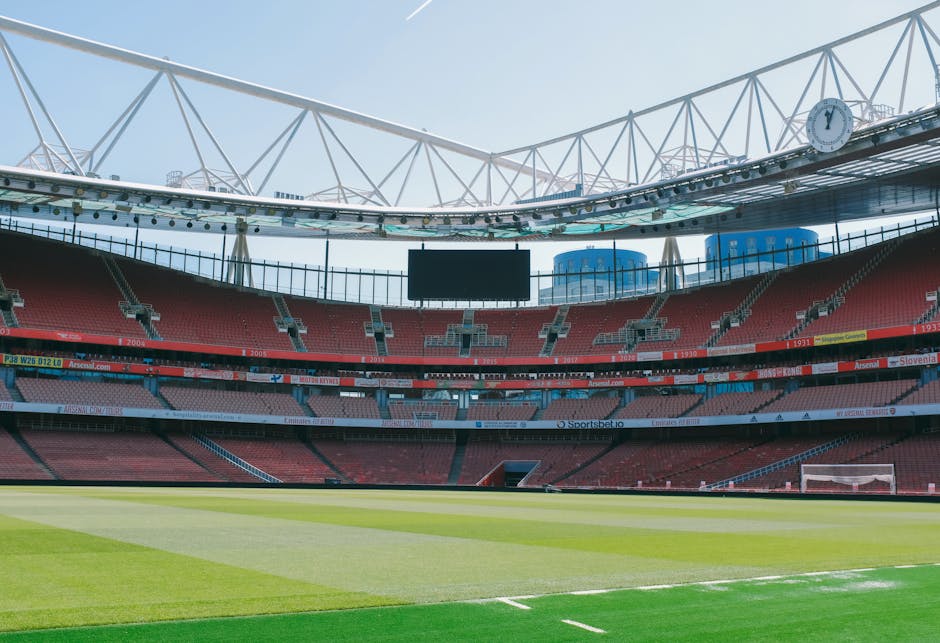
Consider the recent fixture between Manchester United and AFC Bournemouth. For eighty minutes, the game might have been balanced, but look at the minute-by-minute shift. When a side abandons the tactical shape that won them the lead in favour of 'closing the shop', they aren't actually controlling the game. They are simply allowing the opposition to dictate the geography of the pitch. Playing well—executing a high press, maintaining possession—is fundamentally different from controlling a game. Controlling a game is the ability to force the opponent into zones where they cannot hurt you. When you retreat, you concede that control, and suddenly, the penalty box becomes the only place where the ball exists.
The Physics of Pressure
Why do these spot-kicks feel inevitable? It’s a convergence of psychological pressure and physical fatigue. By the 85th minute, the lactic acid in a defender’s legs means their decision-making process slows down. If you are constantly reacting instead of controlling, you are always United away form issues playing at a deficit of intent. You are chasing shadows, and eventually, a desperate lunge becomes the only logical conclusion.
I’ve tracked the ‘flip minutes’ for years. Take a look at the table below, which highlights how defensive structure stretches as the clock bleeds out:
Game Minute Defensive State Primary Risk Factor 0' - 60' Tactical Rigour Individual Error 60' - 75' Fatigue Sets In Structural Gaps 76' - 90+ Total Reaction Panic-Induced FoulsDiscipline, Red Cards, and the Domino Effect
There is a specific phenomenon when a team suffers a red card in those late stages. The discipline of the back four disintegrates not because they are inherently ill-disciplined, but because the space they are tasked to protect has effectively doubled. If you lose a man at the 78th minute, your shape is shot. You are now playing a game of 'whack-a-mole' with the opposition's wingers.
When the penalty is eventually conceded, fans often scream about poor officiating or bad luck. But if you rewatch the lead-up, you will see https://xn--toponlinecsino-uub.com/beyond-the-buzzwords-reading-the-pitch-before-the-odds-shift/ the defensive structure stretching until it snaps. It is a tactical inevitability. The pitch is too big to cover with ten men, and the psychological weight of defending a lead—rather than playing to expand it—creates a gravity well that pulls the ball toward the penalty spot.
Stats vs. Context: Avoiding the Trap
One of my biggest pet peeves is the reliance on raw data without the context of the match. You can see a high Expected Goals (xG) figure and claim a team was 'unlucky' to concede late. That is nonsense. If you watch the footage, you’ll see the team stopped playing through the lines and began inviting the pressure. It’s the difference between a calculated defensive stand and an accidental surrender of territory.
For those who enjoy analysing these patterns—perhaps while checking the latest odds on bookmakersreview.com to see how the market reacts to these shifts—it is worth noting that betting markets are often the most accurate mirrors of this momentum. When the market sees a team retreat, the price on a penalty being awarded often shortens. The professionals know that pressure builds late, and it usually breaks the side that has stopped proactively defending.

The Myth of the 'Good Point'
We see it every weekend: a team leads 1-0, spends twenty minutes pinned in their own box, concedes a penalty in the 94th minute to draw 1-1, and the manager calls it a 'good point'. It wasn’t a good point; it was a structural failure. It was the result of a side that lost the ability to control the game and chose to wait for the referee’s whistle to save them. The inevitability of that penalty wasn't bad luck—it was an invitation.
Summary of Tactical Failure Points
Loss of Outlets: When wingers drop to become auxiliary full-backs, you have no way to relieve pressure. The Deep Block Trap: Defending the edge of the six-yard box invites crossing and dribbling into the most congested, high-foul-risk area of the pitch. Reactionary Defending: When you stop tracking runners and start ball-watching, you are one step behind the play, leading directly to clumsy challenges.Final Thoughts: Control vs. Survival
The next time you’re watching a Premier League match and you feel that familiar dread in the final five minutes, don’t look for luck. Look at the distance between the defensive line and the midfield. Look at whether the leading team is still looking to carry the ball out, or if they’re just hoofing it into the stands. If they’ve stopped playing, they’ve already conceded the penalty in spirit. The spot-kick is merely the administrative confirmation of a match that was lost tactically ten minutes prior.
Football is a game of momentum, yes, but momentum is a product of space and intent. When you surrender the former and lose the latter, the penalty spot isn't just a part of the pitch—it's an inevitability.